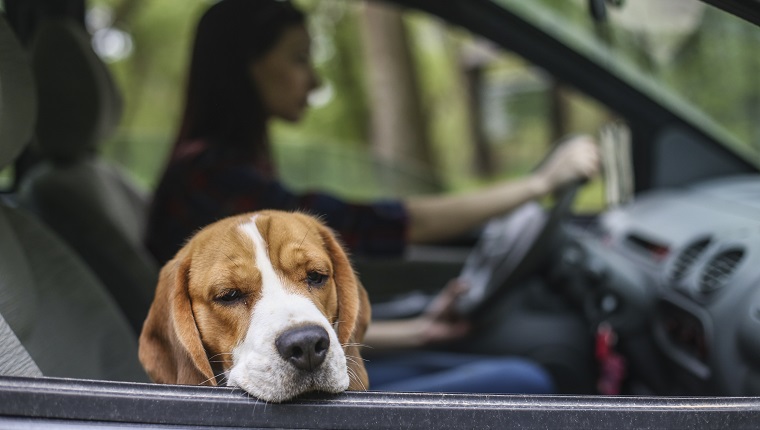
If your dog feels nauseous and ill or even vomits when they travel, then they may suffer from car sickness.
It often seems our dogs aren’t far removed from our own maladies, and that’s certainly true of car sickness. Many dogs, especially puppies, are susceptible to car sickness, or just plain motion sickness, since a boat or airplane may cause just as much distress.
The good news is most dogs with motion sickness eventually outgrow it. And even if your dog doesn’t outgrow the condition, there are steps you and your vet can take to reduce symptoms and make your dog more comfortable while traveling.
If you see signs of motion sickness in your dog, you must consult your veterinarian so they can provide treatment and advice. Here’s what you should know about the causes, symptoms, treatments, and prevention of car sickness in dogs.
Causes Of Car Sickness In Dogs
Motion sickness is the result of overstimulation of the inner ear, and — just as with humans — it can make a dog miserable.
Stress is another major factor in car sickness because many dogs come to equate car travel with a trip to the vet or kennel.
Also, if a dog’s been in a car accident, the trauma could linger. The same applies to other unpleasant experiences on the road, such as being startled by passing trucks.
Conversely, dogs can become overexcited at the prospect of a happy trip to the dog park or doggy daycare.
If you go for a long ride and your eager pup wrongly guesses that they’re a few minutes from hopping out of the car, that can cause fatigue and sickness as well.
Symptoms Of Car Sickness In Dogs
The most obvious symptoms of motion-induced car sickness are nausea and vomiting, at which point you’ve already discovered your dog is carsick.
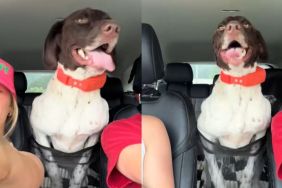
Precursors to vomiting may include salivation and yawning, as well as rapid panting and pacing.
If a dog exhibits any of these signs even before the engine’s turned on, it’s likely they won’t enjoy the ride.
Treatment & Prevention Of Car Sickness In Dogs
The first step in treating car sickness in your dog is to see your vet.
Chances are good that your dog will outgrow motion-induced car sickness. But if they’re having a particularly hard time with travel, ask your vet about using supplements or medications to help.
Keep in mind that some drugs can cause drowsiness, so give your dog a chance to rest and recover from the medication. Don’t expect a romp in the park the moment after you arrive.
Here are a few tips that can help you prevent car sickness from happening in the first place:
- Don’t feed your dog food or water right before the trip. Dogs travel better on an empty stomach. If your dog doesn’t tolerate traveling with the munchies, give a quarter of their normal food before leaving.
- Take rest stops. You know your pet best, so learn their signs of motion sickness and stop accordingly. Some dogs travel fine for hours; others need to stop frequently.
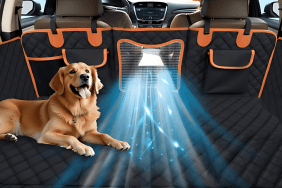
- Open the window enough so your dog can take in some fresh air, but not so much that they can jump or fall out of the window.
- But be sure they’re strapped in with a dog safety belt. Some travel kennels also buckle in. Not only will this provide safety in the event of an accident, but it can also keep your dog from moving around or pacing, which may worsen their illness.
For more tips, visit our expert Q & A on car sickness.
Does your dog ever get carsick when you travel? How do you help them feel better? Let us know in the comments below!