Diabetes insipidus and diabetes mellitus are two different types of diabetes in dogs, and both can be serious if left untreated.
Diabetes insipidus is also known as “water diabetes” and is the rarer form. It affects water metabolism and prevents the body from conserving water, which causes increased urination and diluted, almost clear, urine.
It’s not related to diabetes mellitus in canines, which is also known as “sugar diabetes.” Diabetes mellitus is a disease of the pancreas that affects the body’s ability to convert food into fuel.
Here’s what you should know about the symptoms and treatments for diabetes insipidus and diabetes mellitus.
Causes and symptoms of diabetes insipidus
Diabetes insipidus comes in two forms in canines, and both are related to the pituitary gland and result in similar symptoms.
Central diabetes insipidus happens when the pituitary doesn’t release enough of a hormone called vasopressin, an anti-diuretic. Birth defects, head injuries, or tumors can cause central diabetes insipidus.
Nephrogenic diabetes insipidus is the other form. It happens when the kidneys don’t respond to the vasopressin that the pituitary produces. Birth defects, exposure to drugs, metabolic disorders, or renal failure can cause nephrogenic diabetes insipidus.
Both types will result in the following symptoms in dogs:
- Excessive urination
- Excessive drinking and thirst
- Weight loss
- Decreased urination due to dehydration
- Poor coat health
- Accidents in the house
Causes and symptoms of diabetes mellitus in dogs
Diabetes mellitus is a pancreatic condition that also comes in two forms in canines.
Insulin-deficiency diabetes mellitus is when the body doesn’t produce enough insulin, a hormone that tells the body’s cells to take glucose, a type of sugar, from the bloodstream to use as fuel.
Insulin-resistant diabetes mellitus happens when the body produces enough insulin, but cells don’t respond to it properly and don’t absorb glucose.
Obesity, pancreatitis, steroids, other health conditions, and genetics can all play a factor in causing both types of diabetes mellitus, and they both result in the following symptoms:
- Increased urination
- Excessive drinking and thirst
- Breath smells sweet or fruity
- Dehydration
- Change in appetite
- Weight loss
- Lethargy
- Vomiting
- Urinary tract infection
- Skin infections
- Cataracts or blindness
Treatment for diabetes insipidus in dogs
Diabetes insipidus is rare, but it should be addressed with medical treatment.
Treating central diabetes insipidus is usually done by providing your dog with synthetic hormones that mimic those from the pituitary gland called desmopressin acetate.
This reverses the symptoms of dangerously frequent urination and most other symptoms associated with the condition, as well. It is given through the eyes or nose and must be given for the rest of the dog’s life.
Treatment for nephrogenic diabetes insipidus may include synthetic hormones, but usually, this is not enough. A dog may also be given diuretics, oral salt, and chlorothiazide, which will help urine to be more concentrated and reduce the risk of dehydration.
Some pet parents may choose not to treat their dog with medication; though, a dog with diabetes insipidus must have water available at all times and will need to urinate frequently.
Dehydration becomes a serious risk and can lead to death.
Treatment for diabetes mellitus in dogs
Diabetes mellitus is on the rise in canines. Whether the numbers are due to an increase in dog obesity or better screening is up for debate. What’s clear is that this disease is fairly common. But the good news is, it’s also treatable and manageable.
The average age when dogs get diabetes mellitus is between 6 and 9 years old. Some breeds, such as German Shepherds, Golden Retrievers, Poodles, Keeshonds, and Miniature Pinschers are more vulnerable to the disease, although all breeds can get it. Females are three times more likely than males to develop diabetes.
Diabetes mellitus can be serious. If left untreated, it can lead to cataracts, liver and bladder problems, weakness, and coma. It’s important to be aware of the symptoms and have your dog tested if you suspect diabetes.
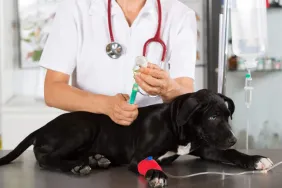
Diabetes mellitus is treated with daily insulin injections and diet. If your dog has diabetes, your vet will teach you how to give the injections and store the insulin.
It’s essential to learn exactly when and how much insulin to give, and to stick to the schedule. Otherwise, you could wind up with an overdose of insulin, or a bout of hypoglycemia (abnormally low blood sugar).
Diet will also play a major role in keeping your dog healthy. It’s much harder to control the disease in an overweight dog, even with insulin shots. If your diabetic dog is overweight, you’ll need to manage their diet and make sure they get enough exercise. Your vet can help you work to get your dog to a healthier weight.
Discover more from DogTime
Subscribe to get the latest posts sent to your email.