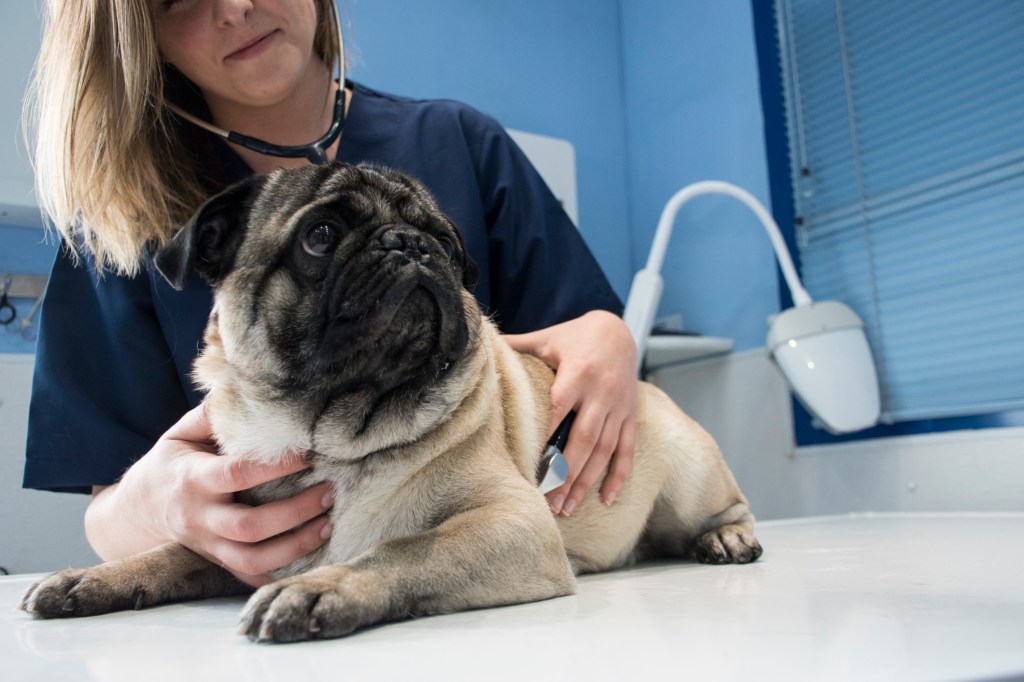
Treating distemper

Thursday March 31st, 2011

  • Share on Facebook

Most people have heard of distemper in dogs, but few know exactly what it is. Distemper is a viral disease, which affects the gastrointestinal, respiratory, and central nervous systems in dogs. The canine distemper virus (CDV) causes the disease. It is highly contagious, and is often fatal.

While canine distemper is found around the world, vaccinations have greatly reduced the number of deaths attributed to it. Puppies between the ages of three and six months are the most susceptible to the disease, and are more likely to die than an infected adult dog.

The typical distemper sufferer is a dog who has not received the proper vaccinations. These are usually rescue dogs, or dogs from a pet shop.

The CDV virus can be transmitted through the urine and feces of infected dogs, but the primary method of transmission is through airborne viral particles breathed in by the dog. Dogs in the recovery phase of the disease may continue to shed the virus for several weeks, although once they are fully cured, the danger of infecting others is past. The CDV virus is susceptible to most disinfectants, so routine cleaning of the living quarters of infected dogs will minimize the spread of the disease.

Humans can contract an asymptomatic CDV infection, but if they have been immunized against measles, they are protected from CDV as well.

The earliest symptom of the disease is a fever, followed closely by a runny nose, loss of appetite, and a mild eye discharge. Then, depending on the strain of the infecting virus and the dog's overall health, the dog could also experience:

  • Diarrhea
  • Continued fever
  • Pneumonia (Characterized by labored breathing and coughing)
  • Depletion of white blood cells
  • Vomiting
  • Hardening of the pads of the feet
  • Unusual tooth enamel

Secondary bacterial infections often exacerbate these symptoms. Dogs usually develop an inflammation of the brain and spinal cord, the symptoms of which are varied and progressive.

Dogs can die from distemper; those that do are usually felled by neurological complications, such as the following:

  • depression
  • Ataxia, an inability to coordinate the muscles
  • Hyperesthesia, a heightened sensitivity to sensory stimuli, like touch and pain
  • Myoclonus, disabling muscle spasms
  • Paralysis, partial or complete
  • Deterioration of mental abilities and motor skills
  • Seizures affecting any part of the body. One memorable type of head seizure that is unique to distemper is sometimes called "the chewing gum fit" because the dog appears to be chewing gum.

Diagnosing distemper infection

It is very difficult to diagnose distemper. Tests for distemper sometimes return a false positive result, and there are many diseases with similar symptoms. A test of the dog's cerebral spinal fluid will provide a definitive diagnosis, but this test is expensive and can be dangerous for your dog. Most veterinarians rely on a clinical diagnosis: they check for symptoms, perform routine tests, and rule out other diseases by taking a complete history of the dog, including his vaccination schedule, etc.

Treating distemper

Unfortunately, there is no specific drug that will cure distemper. The best treatment option at this time is to give supportive care for the different symptoms and to help prevent new infections occurring while the white blood cells are suppressed. A few examples of supportive treatment follow:

  • Antibiotics to help prevent pneumonia
  • IV fluids to replace fluids lost due to diarrhea and vomiting
  • Anti-seizure medication
  • Steroids (used only with severe seizures that cannot be controlled with regular medication)

Preventing infection

Preventing distemper infection is as easy as taking your dog to the veterinarian for a shot. The "distemper shot" is generally combined with vaccines for canine parvovirus, parainfluenza, adenovirus 2, leptospirosis, and sometimes coronavirus. Puppies receive a series of shots, beginning when they are six to eight weeks old, and then every four weeks until they are 16 weeks old.

The next vaccine should be administered one year later, with boosters every one to three years after that. Some veterinarians will automatically vaccinate on a regular schedule; others will perform tests to ascertain the antibody levels in your dog and decide whether to administer a booster based on the results. More and more veterinarians are turning to blood tests to make the vaccination decision, as research is showing that too many vaccinations can actually do our dogs more harm than good.

Types of vaccinations

Distemper vaccines are available in both the traditional modified live virus format, where actual distemper virus is modified to induce immune-response without causing illness, and the recombinant format, where a live harmless virus, not a form of the distemper virus, is used to carry the immune-response generator portion of the distemper virus. The recombinant format is generally preferred since it is impossible for distemper or distemper encephalitis to occur as the result of vaccination. While these complications are rare, they are possible when using the modified live virus vaccine.

Source: Adapted from the Veterinary Information Network

Related Content on DogTime.com
  • Arthritis and the aging dog

    March 31st, 2011

    The signs of arthritis may be hard to spot. You might notice it takes Fido a little longer to get up in the morning and she seems to have a harder time moving around. Soon you realize that she's in...

  • Square_100_dog_veterinary_visit

    New Years Resolutions for Your Pet, Part 3: Schedule Regular Veterinary Examinations

    March 31st, 2011

    This article courtesy of Dr. Patrick Mahaney. Do you have an annual wellness exam with your doctor? You should, as your medical practitioner can observe any illness trends to readily diagnose and...

  • Choosing the right dog treats

    March 31st, 2011

    Treats are a great way to show your dog a little extra love. These special yummies can be anything from homemade biscuits to a package from a doggy bakery, or even just a morsel of steak from your...

Anonymous User

we need a suggestion whether 2 keep the pet alive or give her a permanent relief

2 months ago by Anonymous

Anonymous User

my dog was tested positive for distemper but has not shown any of the early symptoms thus far. how reliable is the distemper test? we are thinking of considering getting a 2nd opinion but we do not have that much good veterinary clinics around our area.

6 months ago by Anonymous

Anonymous User

my dog was tested positive for distemper but has not shown any of the early symptoms thus far. how reliable is the distemper test? we are thinking of considering getting a 2nd opinion but we do not have that much good veterinary clinics around our area.

6 months ago by Anonymous

Anonymous User

Saveadogfromcaninedistemper.com. Sounds promising since this disease is commonly fatal. Every vet should be made aware of this and give it a shot when faced with this evil virus.

over 1 year ago by Anonymous

Recent conversations on these topics

  • du you both love dog and cat? i only dog

    i only dog,,is it not good? http://www.mbtshoes-mbts.com

  • are you both like dog and cat?

    i only dog

  • custom personality jerseys

    we supply cheap NFL jerseys with high quality,we also supply custom jerseys,with you name,which number you like,you choose,we do it for you,if you like it,don't forget contact us: http://www.custompersonalityjerseys.com

  • MBT on sales

    I found a really get your money’s worth website: cheapmbtshoes2011.comonly you can find your favouriate shoes ,but also you can enjoy the best discount MBT (at least 50% discount) MBT. I just received a pair I ordered on : cheapmbtshoes2011.como. The unique and stylish MBT by the Lowest Price,50% OFF,Free ShippingI love it as it has good tone quality and fashion appearance.A lot of people are snapping up MBT on cheapmbtshoes2011.com.

Welcome to DogTime.com

DOGTIME LOGIN or SIGN UP

AD
AD