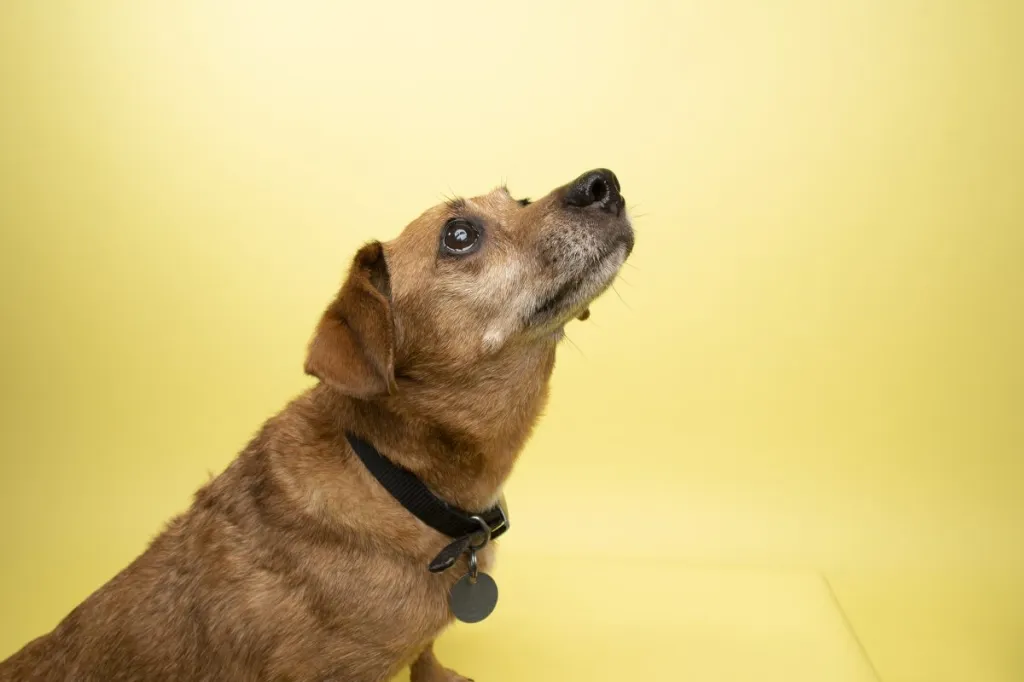
Cushing’s disease, or hyperadrenocorticism, in dogs is a condition caused by an overactive adrenal gland that pumps too many steroids and hormones into the bloodstream. This can result from tumors or growths in the adrenal or pituitary glands, as well as exposure to corticosteroid medications.
Though it can affect dogs at many ages, it usually appears in dogs around six to seven years of age. The disease usually develops slowly and can result in a variety of symptoms.
If you see the signs of Cushing’s disease in your dog, get to a veterinarian for a proper diagnosis so they can prescribe treatment. Here’s what you should know about the symptoms, causes, and treatments for Cushing’s disease in dogs.
Symptoms Of Cushing’s Disease In Dogs
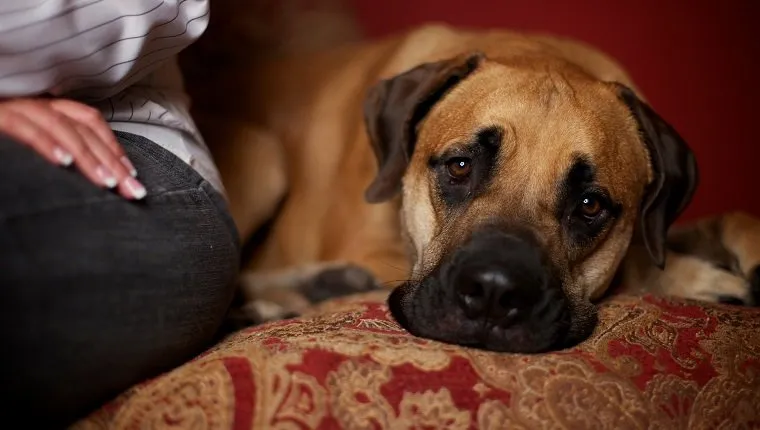
Symptoms of Cushing’s disease in dogs can vary widely because the adrenal gland is responsible for the production of many hormones and steroids. Therefore, symptoms can appear differently in type and severity depending on which hormones or organs are affected.
For example, if glucocorticoid, a natural steroid, is affected, then muscle tissue can break down and urination can become abnormal. If the immune system is affected, there may be secondary infections, and if the pancreas is affected, dogs may have diarrhea or start vomiting.
Here are a few of the symptoms you may see in dogs with Cushing’s disease:
- Increased thirst or urination
- Increased appetite
- Vomiting
- Diarrhea
- A pot-bellied or distended abdomen
- Obesity
- Hair loss
- Thinning, discolored, scaly, or unhealthy skin
- Calcified lumps under the skin
- Infections of the skin, ears, urinary tract, or elsewhere
- Easily bruised
- Abnormal behavior
- Seizures
- Insomnia
Causes Of Cushing’s Disease In Dogs

The most common cause of Cushing’s disease in dogs is benign growths on the pituitary gland.
Though it’s rare, malignant pituitary tumors may also cause the disease. These make up about 80 to 85 percent of naturally occurring Cushing’s disease cases in dogs. Tumors on the adrenal gland make up the rest and have an equal chance of being benign or malignant.
Cushing’s disease may also occur non-naturally when a dog suffers overexposure to corticosteroid medications commonly prescribed for allergies, immune disorders, cancers, inflammation, or to correct hormonal imbalances from conditions such as Addison’s disease.
Treatment For Cushing’s Disease In Dogs
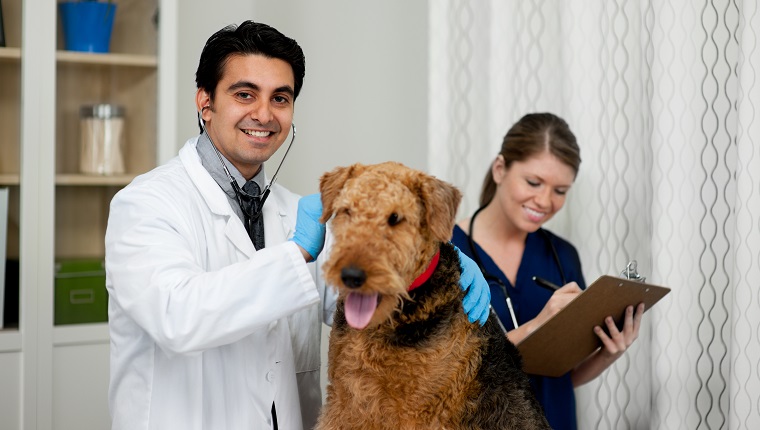
Cushing’s disease in dogs can be treated medically and surgically, depending on the severity of the symptoms and the dog’s general health.
The medical option is a prescription medicine to slow down production in the adrenal gland, while the surgical option removes the growth that stimulates the hormone overproduction.
However, vets treat most dogs medically because the surgery carries significant risks, and vets should only use it when medical treatment proves ineffective.
The disease is hard to diagnose in dogs since there is no one test that will identify it. Vets generally perform several blood and urine tests over a period of time, and then compare the results to normal levels. If they suspect Cushing’s, an x-ray and/or ultrasonography can help reveal the presence or absence of a tumor.
Prognosis For Dogs With Cushing’s Disease
While Cushing’s disease itself is rarely life threatening to dogs, the side effect of a weakened immune system can make dogs more vulnerable to other diseases, as well as causing fatigue and exercise intolerance. Furthermore, in some rare cases, there are no symptoms at all.
The biggest issue with Cushing’s is its impact on your dog’s quality of life. If it’s adversely affected, you should certainly consult with your vet about the best way to return your dog to a healthy, comfortable life.
Does your dog suffer from Cushing’s disease? How do you treat their condition? Let us know in the comments below!