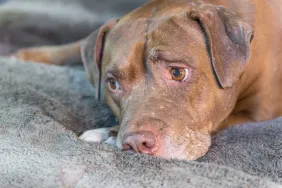

You recycle. You eat organic. You put on a sweater before you crank up the heat. But have you ever considered your dog’s effect on the environment? And have you thought about what the environment’s doing to your dog?
The surprising answer: quite a lot. A recent study from eco-watchdogs Environmental Working Group found that cats and dogs are carrying around a cocktail of 48 different industrial chemicals in their bodies–many of them at much higher levels than what’s found in people. Some of those chemicals have been linked to thyroid problems, birth defects, and cancer, among other conditions.
Chief among the chemicals accumulating in dogs: flame retardants from beds, furniture, and polluted food; stain and grease-proofing chemicals from carpets, dog beds, and dog food packaging; and plastic softeners known as phthalates, which are found in products ranging from shampoos to toys to medicines.
Then there’s the toll our pooches take on the planet. The 10 million pounds of poop they churn out every year in the U.S. alone, for starters, and the chemical fallout of our war against fleas and ticks.
Ready for the good news yet? Here it is: You can shrink your pup’s environmental pawprint dramatically, without overhauling your life, and your dog may reap some health benefits.
How to green your dog
1. Choose eco-friendly dog supplies.
There’s oodles to choose from, and our green product reviews can help you separate what’s worth buying and what’s not. What to look for: material that will biodegrade, has been or can be recycled, wasn’t treated with flame retardants, and is free of plastics. When your dog’s sick of his toys, swap with your dog-parent friends rather than tossing them.
2. Be a green pooper-scooper.
The ideal is to flush your dog’s poop, so it will get the same treatment as human waste; you can even buy flushable, biodegradable poop bags. The runner-up option is tossing a biodegradable poop bag in the trash; composting dog poop is controversial, since its bacteria could make you sick if it’s spread on your veggie garden, but there are instructions on how to do it here.
Whatever you do, always clean up after your dog. Not only does leaving poop on the ground pretty much guarantee that you’ll be reincarnated as a dung beetle, it can make people and animals sick when the poop gets washed down storm drains and into waterways.
3. Leash your dog in wildlife areas.
We all love to watch happy dogs running free. But even if your dog doesn’t fancy herself a hunter, chasing and barking at the resident wildlife and charging around their habitat does more damage than you might think. Save the off-leash play for dog parks.
4. When fighting fleas, go with the least toxic options.
How green you go in the battle against fleas depends on how much time you’re willing to spend and how badly you want to keep pesticides out of your home and off your dog. You can download a guide to fighting fleas without pesticides here. If you must use pesticides, go with a topical, spot-on treatment rather than sprays, powders, or collars. If you have real winters where you live, talk to your vet about using the treatments only during the warmer flea season.
5. Cook dog food yourself or buy locally made, organic food.
As much as possible, use organic veggies and antibiotic- and hormone-free meat and dairy. By cutting out the transportation and packaging of commercial food, you’ll do the planet an extra favor. If you haven’t got time to play chef for your dog, check out holistic pet supply stores for locally made, planet-friendly foods.
6. Think before you toss.
Medications, flea treatments, shampoos–all can wind up polluting soil and water if you simply toss them in the trash. To figure out how to get rid of them safely, contact your local solid waste agency (call 1-800-CLEAN-UP to get the number or look in your phone book).
7. Green your kitty too.
Our feline friends do their share of environmental damage. They kill millions of birds each year, and much of the litter they use comes from strip mining–and then piles up in landfills. Cats who do their business outside pollute the water and soil with toxoplasma gondii, a parasite that can make pregnant women and the immunocompromised sick.
A few ways to make your kitty more eco-friendly: Keep her inside, which is safer for her as well as the local birds. If you let her outside, you could try outfitting her with a cat bib to prevent her from hunting–bells generally aren’t effective–or only letting her play in fenced areas. As for kitty litter, there are now many more eco-friendly litters to choose from.