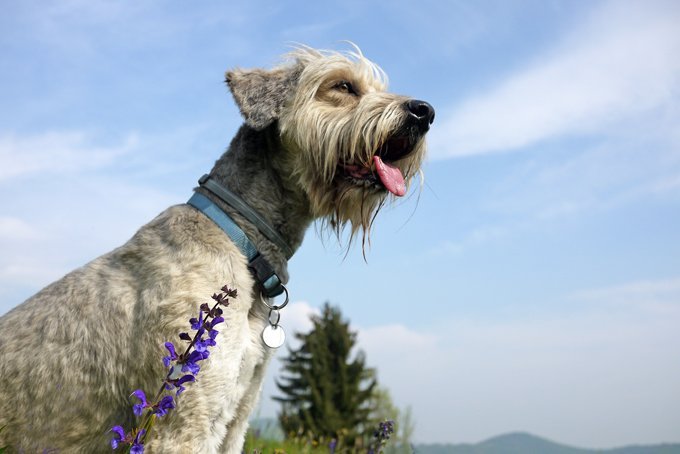
August 30th is National Holistic Pet Day!
Humans have been using healing herbs for as long as there have been humans and herbs to heal them. Many of those same natural remedies may be effective in treating your dog for a variety of ailments, if used in the right ways. In fact, animal experts have long observed that sick animals in the wild will actually seek out herbs to help them deal with injuries or illness, so advocates of herbal medicine for pets say they’re simply providing the animals with purer and more powerful versions of what they’d find in the wild all by themselves.
What to know about herbal remedies
Almost any well-stocked health food store for humans will also carry some of the most popular pet remedies. They come in liquid, tablet, and capsule form, and they all look safe and effective…but before you buy into the concept, keep these rules of the road in mind:
- Check with your vet. Even if your dog isn’t on any regular medications, your veterinarian should know what you’re planning to do. Your individual dog’s allergies, chronic conditions, or metabolic eccentricities can make the difference between what works and what’s actually dangerous.
- Stick with reliable, prepared products. Though it’s true that fresh herbs are best, “wildcrafting” — that is, gathering and preparing the herbs on your own–isn’t as safe as it used to be. Most of us really aren’t trained enough to find and gather the right plants, and many herbs that grow in the wild may be invisibly contaminated by pesticides, herbicides, and other man-made or naturally occurring nasties. Better to buy the preparations or the herbs themselves from a reliable health food supplier.
- Watch for interactions and overdoses. Here’s another good reason to work with your veterinarian before you begin: some herbs not only interact with prescribed medications, they can also interact with other herbs; and many herbs that are beneficial in small doses can be dangerous in large amounts. For example, ginkgo affects the blood’s ability to clot, so if it’s given with blood thinners or even aspirin, your dog could be prone to severe bleeding. Kelp — widely used in many herbal preparations — may have an adverse effect on thyroid disease, while echinacea can hurt an animal with a compromised immune system. Melatonin should not be given to dogs with heart, kidney, or liver disease; and even ginseng can cause high blood pressure in some cases. Remember that holistic veterinarians, like holistic healers for humans, look at the entire life of the patient, because adding herbal remedies to your pet’s routine can have unexpected and even unwanted effects.
- Hold off or discontinue herbs if your dog is pregnant. We just don’t know enough about the effects of natural remedies on pregnant animals and their developing offspring yet. Here again, interactions and unexpected consequences can occur. That’s why most vets will recommend holding off or discontinuing herbal remedies if a dog is about to have puppies.
What they can treat
Most herbal remedy advocates will give a long list of common ailments that respond well to herbal remedies, including:
- Diarrhea
- Constipation
- Skin complaints
- Arthritis
- Allergies
- Bad breath
- Bladder and kidney disorders
- Wound treatment and healing
- Coughs
- Cystitis
- Incontinence
Some advocates will list many more. Meanwhile, the array of herbs in the natural-remedy arsenal is equally wide and sometimes surprising. You’ll see plenty of familiar names, including:
- Alfalfa for arthritis and allergies
- Aloe vera juice for ulcers, acid stomach, arthritis and more
- Black walnut as a natural dewormer and treatment for fungal infections
- Chamomile for pain and inflammation in the intestines and stomach
- Colloidal silver as a natural alternative to antibiotics (it’s also great for rashes, minor cuts and sores)
- Cornsilk for incontinence
- Echinacea to fight infections and improve the immune system
- Garlic as a natural antibiotic
- Glucosamine and chondroitin to address arthritis and joint problems and to rebuild cartilage
- Green tea as an aid to your dog’s immune system (it’s a powerful antioxidant)
- Slippery elm tincture to deal with diarrhea and stomach problems
Whatever the ailment or the herb, it’s important to work with professionals who know what will work best for your pet. You can check with your own vet for guidance, contact a member of the American Holistic Veterinary Medical Association, or work with another skilled and experienced professional. But no matter whom you turn to, get some good advice before you get started.