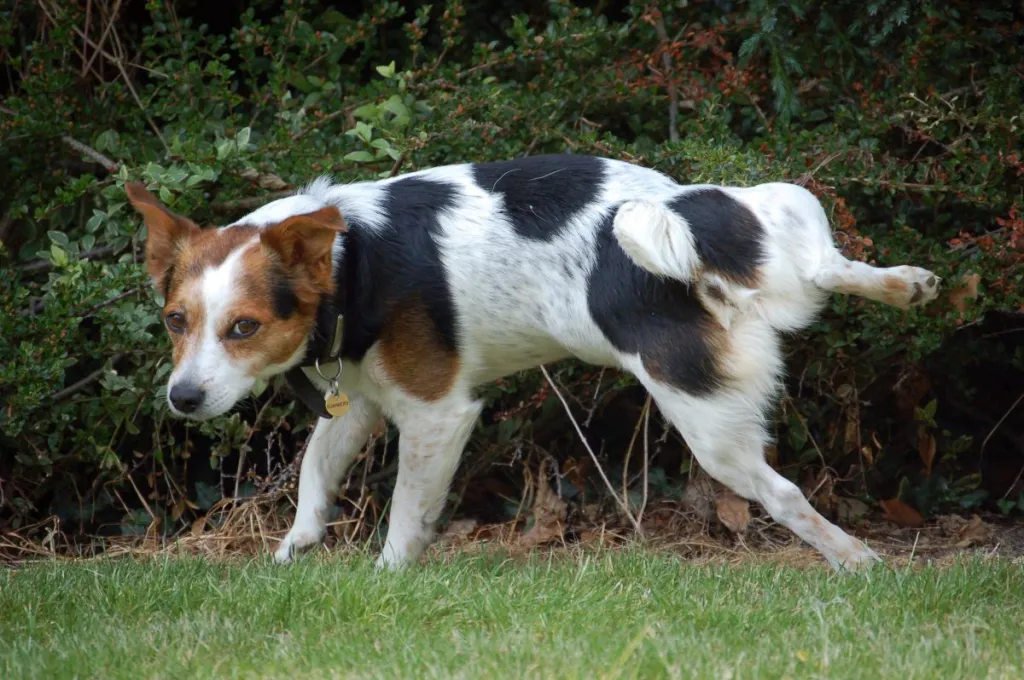
It’s crucial to start housetraining your dog as soon as possible — ideally, the day your new dog or puppy comes home. The habits your pup forms now can set the precedent for weeks, months, or even years to come. A little effort upfront saves lots of time and frustration later on. Once you’ve set up your home with the proper supplies, you can get started on housetraining your dog. While the process is quite simple, the program you follow will vary depending on your situation.
Housetraining if your dog can go outside
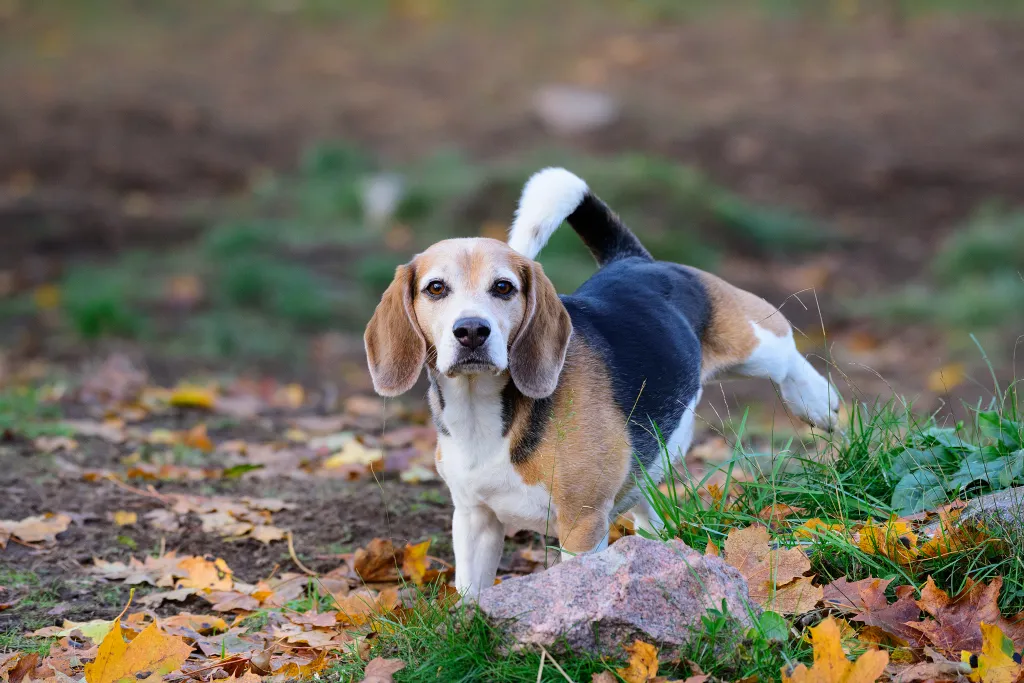
Then you’re ready to start. Here are the three steps to fail-proof housetraining:
Keep your dog in their crate
Your dog should stay in a crate with a few stuffed chew toys to keep them entertained when you’re not playing with them or watching them closely. This is also where your dog should sleep. A crated pup will “hold it” to avoid soiling their sleeping area.
Release your dog from the crate every hour
Then, quickly run your dog — on a leash if necessary — to a potty area outside. It’s best to use the same area each time so pick a spot that’s convenient for poop-scooping. Tell your dog to “Go pee or poop!” or “Do your business!” Give them about three minutes to go. Stand still and let your dog circle, which is normal dog behavior, before eliminating. Most puppies will pee at each bathroom break, and poop every two to three breaks.
Praise your dog enthusiastically
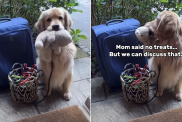
Praise your pup immediately after they pee or poop. Then, reward them with treats. It’s a good idea to stash some treats in a screw-top jar near the potty area so you’ll have them close at hand.
After your dog goes potty, take them back inside for a play or training session for 30 minutes or so. If your dog’s old enough to safely venture into the outside world (3 months of age at the earliest), take them for a post-poop walk as an additional reward.
Housetraining if your dog can’t go outside
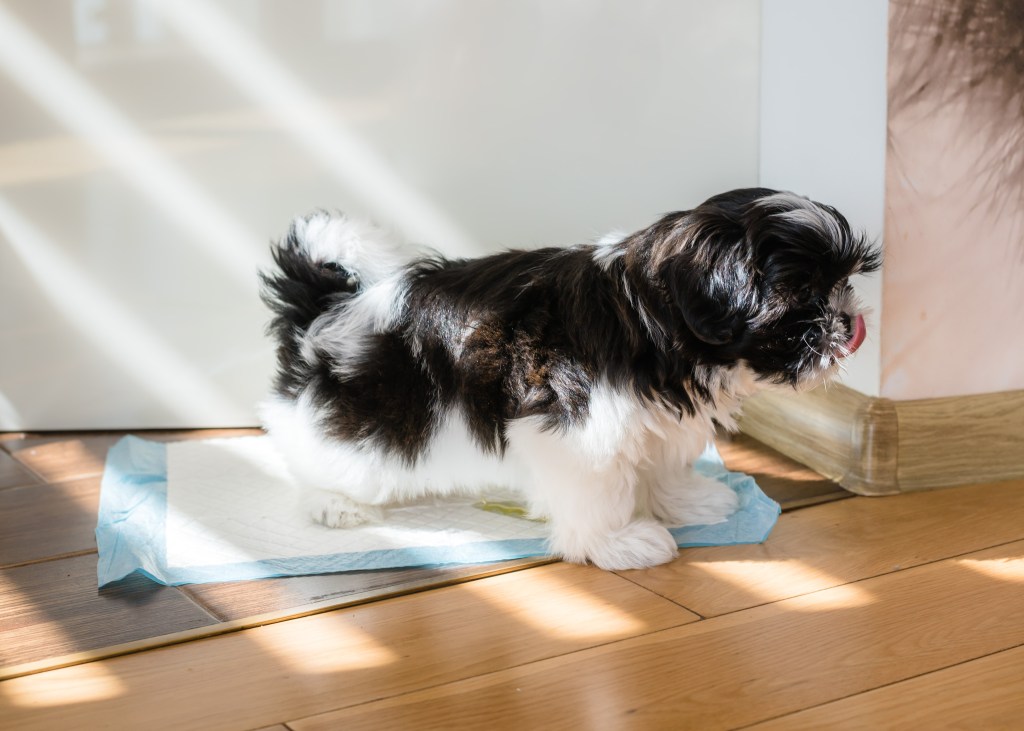
Without a yard, you’ll need to teach your pup to use an indoor toilet until they have enough immunity to doggy diseases to go outside (3 months of age at the earliest). Then you can start the three-step housetraining routine described above. In the meantime:
Keep your dog in a “puppy playroom” with a doggy toilet
Create a dog room where your pup can stay when you’re not able to keep a close eye on them. If you want your city pup to always use an indoor toilet, it makes things easier in the long run if the playroom is in the same spot where you want their eventual indoor toilet to be.
If your pup circles, sniffs, or shows other signs that they’re about to eliminate, call and entice your dog to the doggy toilet.
When your dog uses the toilet, praise them profusely
Then, reward them with treats. If they start to eliminate outside the toilet area, shout their name to distract them. Then, try to urge your pup toward the right spot.
To relocate the indoor toilet, move it gradually (1 or 2 feet a day) to the new site, and go back to rewarding the dog every time they eliminate in the correct spot. And right from the beginning, lay down a doggy toilet in the final toilet area. When you’re home, try to lure your pup to that area and reward them for eliminating there.
Once your pup is old enough to walk around outside, you can start the three-step housetraining program described above.
Frequently asked questions about housetraining dogs
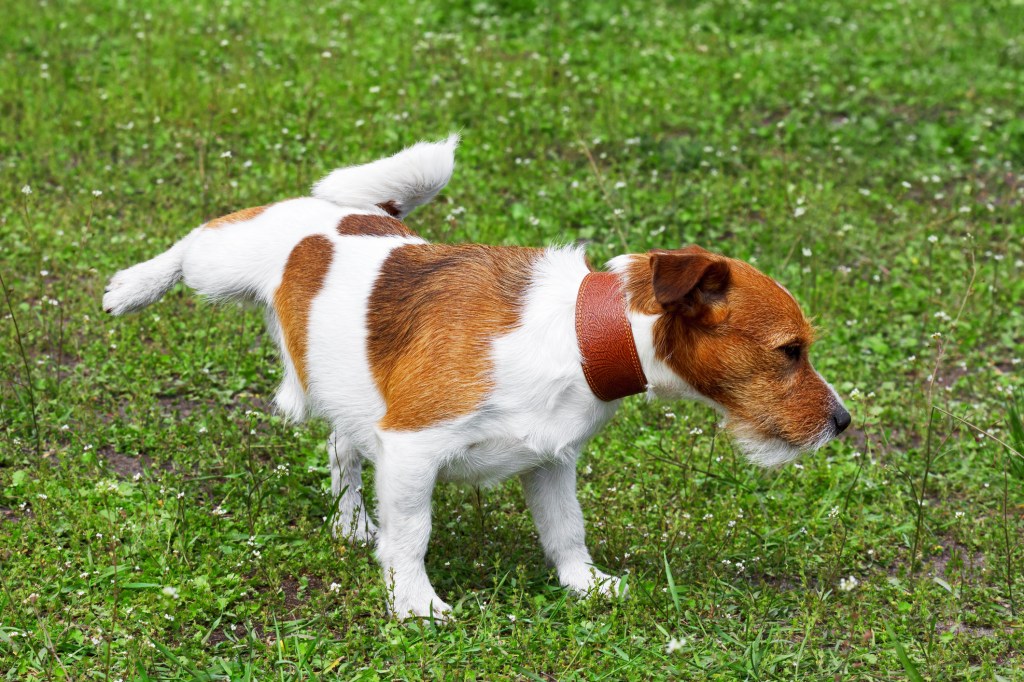
Why not just put the dog outside and let them eliminate by themself?
The whole point of the housetraining routine is so you’ll be there to offer praise and rewards when they go in the right spot. Also, if you see your dog eliminate, you know they’re empty. Then, you can let them explore the house (under supervision) for a while before returning them to their crate.
Why command the dog to eliminate? They know they want to go!
By instructing your dog to eliminate before they go and rewarding them afterward, you’ll teach your pup to go on command. Eliminating on cue is a boon when you’re traveling with your dog or short on time. Ask your dog to “Do your business,” “Go pee and poop,” or some other cue that you don’t often use in normal conversation.
Why give the puppy three minutes to eliminate? Isn’t one minute enough if they need to go?
Usually, a young pup will pee within 30 seconds of being released from their crate, but it may take one or two minutes for him to poop.
What if the dog doesn’t eliminate when I take them outside?
Your dog will be more likely to eliminate if you stand still and let them circle around you on leash. But if they doesn’t go within three minutes, no biggie! Simply pop the pup back in their crate and try again in 30 minutes. Repeat the process over and over until they eliminate.
Why praise the dog? Isn’t relief sufficient reward?
Exuberant praise and lavish rewards are the keys to successful housetraining. Tell your dog that he has done a most wonderful and glorious thing!
So as soon as your dog has done their business, profusely pet, praise, and reward them. If you really show your appreciation, your dog will be eager to do the right thing in the right place.
Why offer treats? Isn’t praise enough of a reward?
No! Many dog parents don’t praise their dogs with enough enthusiasm to really get the point across. Consequently, it’s a good idea to give the dog a food treat or two (or three) for their effort.
Your dog will conclude, “Wow! My parent’s great. Every time I pee or poop outside, they give me a treat. I never get yummy treats when I do it on the couch. I can’t wait for my parent to come home so I can go outside and cash in my urine and feces for food treats!” Housetraining dogs is much easier when there are rewards involved!