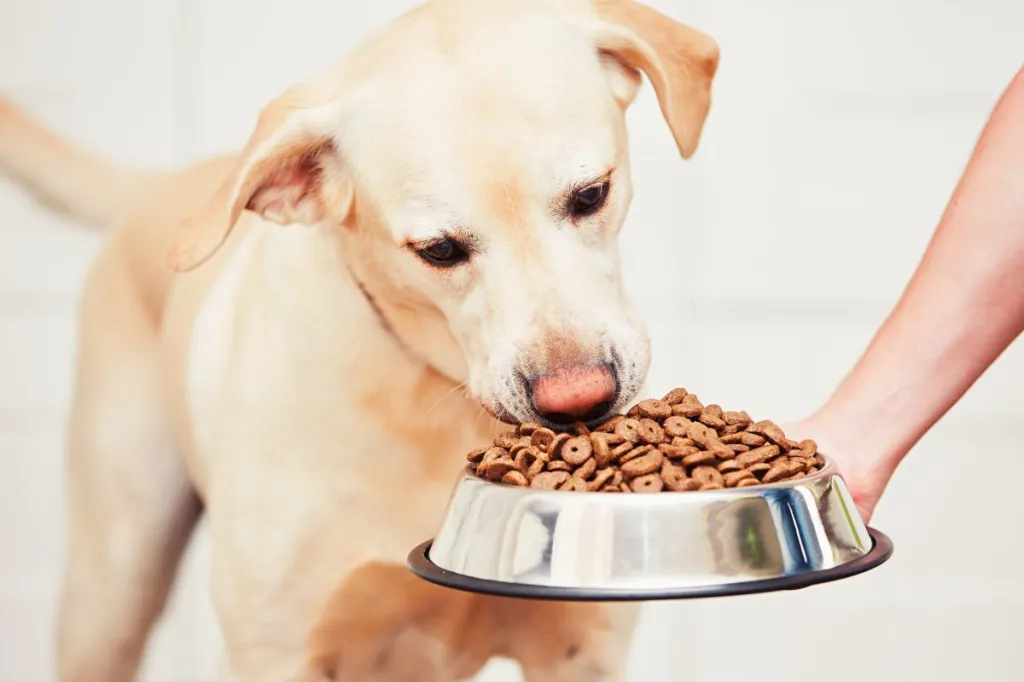
Your dog needs certain nutrients for energy, growth, and maintenance. Just like us, dogs require a balanced diet rich in essential nutrients to thrive and lead fulfilling lives. Water, proteins, carbohydrates, fats, vitamins, and minerals are crucial for the well-being of your canine companion. These vital elements play pivotal roles in promoting longevity and protecting your pup against common health issues. By understanding and meeting the unique dietary requirements of your four-legged friends, you can nurture their vibrant energy, wellness, and unwavering affection for years to come. Let’s take a deeper look at the nutrients your dog needs.
Water
Water makes up 60 to 70 percent of a dog’s body weight and is essential to life. As little as a 15 percent loss can result in death. Food can supply a small portion of your dog’s water requirements. Dry dog food is approximately 10 percent water and canned food may contain up to 85 percent. Dogs should have clean, fresh water available to them at all times.
Proteins
Proteins are the basic building materials for the body. They facilitate growth, maintenance, reproduction, and repair. They contain two groups of amino acids. The body cannot produce essential amino acids in sufficient amounts. Therefore, your pup must consume them in food. They are arginine, methionine, histidine, phenylalanine, isoleucine, threonine, leucine, tryptophan, lysine, and valine. A dog’s body can synthesize non-essential amino acids. They are not necessary in the diet.
Meat, fish, and eggs provide the complete array of essential amino acids. Vegetables, cereals, and soy contain protein but not all of the essential amino acids. However, dogs should never eat raw egg white as it contains avidin, an anti-vitamin.
Carbohydrates
There are no established guidelines for carbohydrates in the canine diet, but studies suggest that carbohydrates and fiber are important in intestinal health and reproduction. Certain fibers help manage chronic diarrhea. The most beneficial fibers, such as beet pulp, are moderately fermentable.
Fats
Fats contain more than twice the food energy of proteins and carbohydrates. They are essential in the production of some hormones and for the absorption and utilization of fat-soluble vitamins. Also, they provide a cushion under the skin and insulation for internal organs. A dog’s body can’t synthesize essential fatty acids in sufficient amounts. Therefore, your dog must consume them in their diet. Omega-6 and omega-3 fatty acids are important for healing inflammation. The optimal ratio of omega-6 to omega-3 fatty acids for dogs is between 5:1 and 10:1. This ratio is impossible to determine in a homemade diet. For the benefits of this ratio, a specially formulated food that guarantees this ratio is best.
Vitamins
Vitamins, in small amounts, are essential to dogs for their role in normal metabolic functioning. Most vitamins can not be synthesized in the body and must be consumed in the diet. However, if your dog is eating a complete and balanced diet, vitamin supplements aren’t necessary. Hypervitaminosis, poisoning due to excess vitamins, is more common than hypovitaminosis and can cause brittle bones, dry skin, and soft tissue calcification or joint calcification.
Minerals
Minerals are important in the structure of bones and teeth, for maintaining fluid balance, and for their role in metabolic function.