Your home may not seem like an accident waiting to happen, but to a curious dog, dangers can be lurking around every corner. A home is full of potentially toxic products that can seriously harm your pup. As a responsible pet parent, it’s crucial to take preventative action to ensure the safety of your fur baby. The items below are common household dangers to pets, and keeping them out of your dog’s reach is a must. Here’s how to poison-proof your home.
Keep medicines out of reach
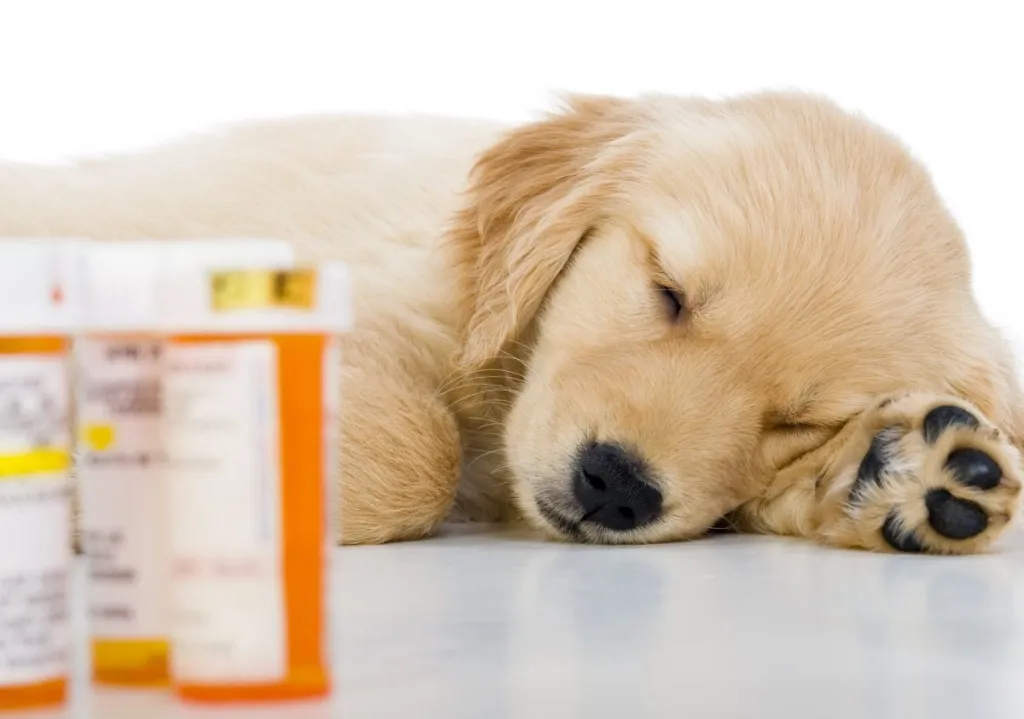
Keep all medications in closed cabinets out of your dog’s reach. Even over-the-counter medications can be harmful. One regular-strength ibuprofen can cause stomach ulcers in a small dog, and several pills can cause kidney or liver failure. Common medications such as anti-depressants, diet pills, painkillers, and cold medicines could be potentially fatal if ingested. Never medicate your pet without your veterinarian’s approval.
Beware of houseplants
Houseplants should be kept up high, or in rooms where your pets are not allowed. Many houseplants can be toxic to dogs. Do some research on the types of plants you have, indoors or in your yard, that may be toxic, and take steps to prevent your dog from eating them. Azaleas, oleanders, mistletoe, Easter lilies, and certain types of palms can be fatal if ingested.
Put cleaning supplies away
Keep dogs away from cleaning supplies and assume all are poisons. Some might simply cause an upset stomach, but others can be fatal or cause severe burns of the tongue, mouth, esophagus, and stomach.
Pest products harm more than pests
Keep all insecticides and pest control products, such as baited rat, ant, snail or roach traps, away from your dog. Whenever possible, avoid using these poisons, as dogs can eat a poisoned animal or insect, even if the trap is not placed in your dog’s typical whereabouts.
Unsafe foods
Chocolate and most leftovers are a big no-no for dogs! One-half ounce or less of baking chocolate per pound of body weight can be toxic, and even small amounts can cause pancreatic problems. Meat scraps that contain cooked fat can also cause pancreatitis. If you give your dog cooked meat, boil it and trim off all the fat. Never give meat products such as country ham to your dog.
Watch out in the garage
Be aware of dangers in the garage and carport and keep auto products stored in areas away from pets. Antifreeze is a particular danger, as pets are allured by its sweet taste, but less than 1 tablespoon can be fatal for small dogs.
Grass hazards
Keep your dog off the grass when you are treating the yard with any insecticide, herbicide or fertilizer. Make sure the grass and scrubs are completely dry before your dog is allowed back into the area and do not use these products until you have talked with the manufacturer or your veterinarian about their safety in pet areas. Always store them in an area out of your dog’s reach.
Flea and tick product precautions
Get your veterinarian’s approval for any flea and tick products before using them. If using a household fogger or house spray, follow instructions carefully, and remove your dog from the house, allotting the proper amount of time before returning. If you have any uncertainty about a product’s safety for your particular dog, call the manufacturer or your veterinarian before use.
More harmful household items
Here is a list of many common items that can poison your dog:
- Batteries
- Cigarettes
- Coffee grounds
- Alcoholic drinks
- Mothballs
- Pennies (they contain high levels of zinc)
- Potpourri products
- Fabric softener sheets
- Automatic dishwasher detergents (cationic detergent ingredients can cause corrosive lesions)
- Packaged warmers such as hand or foot warmers (they can contain large quantities of iron)
The ASPCA Animal Poison Control Center phone number is (888) 426-4435. Post it on your refrigerator. This number can be invaluable if your pet ingests something after-hours. And don’t forget: Prevention is always the best cure.