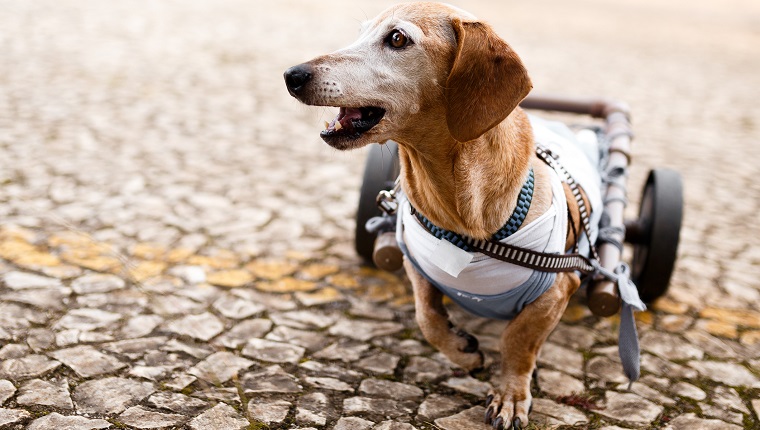

Along with the distinguished graying around the muzzle and the slower plods up and down the steps, a certain serenity accompanies senior dogs. They can be gentle, knowing, and wise, content to lie at your feet while you read a book or to take leisurely walks with you through quiet neighborhoods.
If you’re thinking about adoption, the advantages to bringing home an older dog are many. They are usually housetrained, may already know a few basic commands, and their temperaments are well established.
If the dog you’ve had since puppyhood is now approaching their golden years, it’s important to keep doing the things you’ve always done together. Exercise is still essential to a healthy, happy pet.
You may not be tossing the ball as far as you used to, or hiking to the top of the mountain, but keeping them physically fit will help promote good overall health and maintain weight, key for reducing the effects of arthritis.
And don’t discount the importance of grooming, which helps protect skin and fur as well as providing the opportunity to check their body for tumors — common in older dogs.
Here are a few things you should know about senior dog care.
What Defines The Senior Stage For Dogs?
Like people, dogs become set in their ways as they get older. Their ability to deal with change decreases, and they find great security in their known routines.
That said, it’s also very likely that your dog will settle comfortably into this slower-paced stage of life, in many ways becoming simply a mellower version of their adult self.
During senior years, your dog will:
Possibly sleep more. This is a normal part of the aging process.
Possibly eat less. It may be that your dog is becoming more finicky, but there’s also a chance that their senses of smell and taste have declined to the point that eating isn’t all that fun anymore. Check with your veterinarian to make sure their loss of appetite is not indicative of a more serious health issue.
Be more susceptible to weight gain. Keep your dog fit and healthy with regular exercise. Your vet can help you determine the appropriate daily amount and the pros and cons of a low-calorie senior diet.
Possibly develop dental problems, which can cause serious health issues and make it difficult for your dog to eat. Try to brush their teeth at least three times a week, and get a professional cleaning from your vet if needed.
Be more susceptible to dehydration, which can be harmful and even fatal. Your older dog should be drinking about the same amount of water they always did. If not, make sure their water bowl is in an easy-to-access location, not a trek up or down stairs that are difficult for the elderly or arthritic. Dehydration can lead to — or be a sign of — other health problems, so talk to your vet if you’re concerned.
Become more sensitive to changes in the weather. Take extra care to see that your senior doesn’t overheat in warm weather or get too cold in the winter. As their coat thins and circulation weakens, they can become uncomfortably cold much more easily.
Lose some or all of their hearing or sight. As in humans, senses dull as the canine body ages. Cross-train your dog. That is, teach both verbal and visual cues for basic commands, so you can still communicate should one sense diminish.
Possibly need help getting in and out of the car or up and down stairs. Stiff, achy joints make senior dogs less nimble. Ramps or just a hand from you can help.
Things To Keep In Mind With Senior Dogs
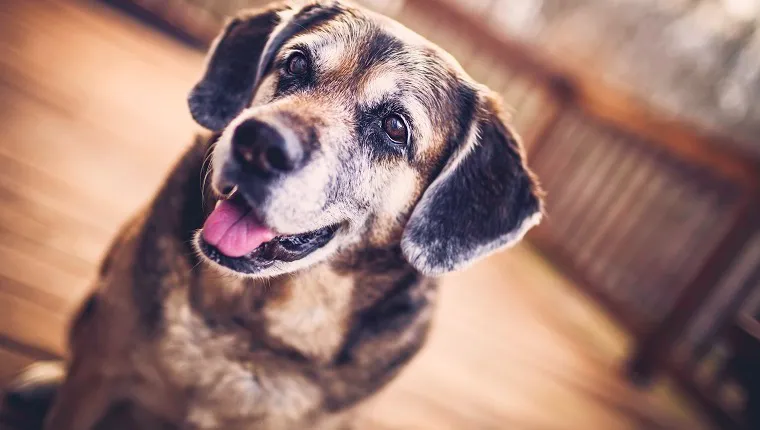
Like humans, the list of potential health problems increases as dogs get older. Regular exercise — both mental and physical — can help stave off many issues, at least for a little while.
In the meantime, offer your dog the same amount of attention and love that they’re used to receiving, if not more. Knowing they’re an important member of the pack is crucial to their sense of well-being.
Also remember:
It’s not uncommon for separation anxiety to set in, even in dogs who were independent and easygoing in their youth. As hearing and sight wane, your dog relies on you more for information about their surroundings and may panic in your absence.
Proper nutrition is key. Your senior dog will need fewer calories, less fat, and more fiber as they age. Many older dogs can continue eating the food they always have — just a little less to compensate for not being as active. Talk to your vet about formulating a healthy diet for your senior.
It’s a fact of life: your older dog is simply more susceptible to health issues such as arthritis, hypothyroidism, liver and kidney dysfunction, dental problems, and cataracts. Older dogs should see the vet twice a year, or as soon as they exhibit any unusual behavior or sign of pain.
Some common red flags: a change in weight, appetite, or water intake; incontinence or increased urination; bad breath and difficulty chewing; lumps that change size or shape; and slow, stiff movement.
Aging affects the brain, too. Canine Cognitive Dysfunction Syndrome (CDS) is akin to Alzheimer’s disease in humans. Dogs with CDS may forget their name or obedience skills. They may also have accidents in the house or not recognize family members, among other symptoms. Talk to your veterinarian if your dog exhibits any of these signs.
Older dogs have less bladder control. Don’t punish your dog for accidents; they can’t help it. That said, sinking hormone levels can cause incontinence, so also book an appointment with the vet, as medication may help.
While the senior stage can and usually does last years, you may have to make difficult decisions about when it’s time to say goodbye. Prepare yourself and your dog by giving them the best you can during their lifetime and by not prolonging suffering or pain.
Bottom Line
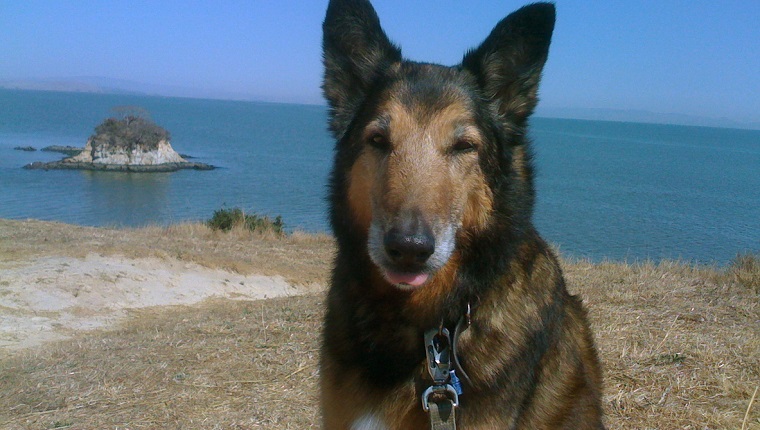
In general, senior dogs are calm, gentle, and easy to be around. Thus, they make great additions to the family.
Your main concerns will probably be medical issues, and a visit to the vet is also strongly advised if you notice any change in behavior or if your dog appears uncomfortable or in pain.
Do you have a senior dog at home? How are they different from younger dogs? Let us know in the comments below!