Training is the best investment you can make in your relationship with your dog. But first, you’ll need to learn how to communicate what you want in a way that your dog will understand. There are certain fundamental guidelines to follow to make dog training easier for you and your pooch.
All dogs will benefit from these training guidelines. It goes beyond learning tricks that will impress your friends.
Why training your dog is worth the investment
Training will help your dog stay safe in a myriad of situations, from staying in the yard to keeping under control in emergencies.
The mental workout your dog will get can help them stay sharp, burn off energy, and even reduce unwanted behaviors. Stay consistent and patient, reward your dog for getting it right, and remember: you can train a dog of any age.
Dog training guidelines: the basics and fundamentals
No matter what you’re trying to teach your dog, from housetraining to “heel,” there are a few basic guidelines that will make the process easier.
Be sure to check out our feature on several of the most popular dog training methods. We also have articles on the basics of leash training for your pups. If your dog needs some refreshers, learn what to do if they pull on leash.
Are you training your dog regularly? What tips do you have that might help fellow pet parents?
Guidelines For Training Any Dog
-
Make Training Consistent
(Picture Credit: Max Bailen/Getty Images)
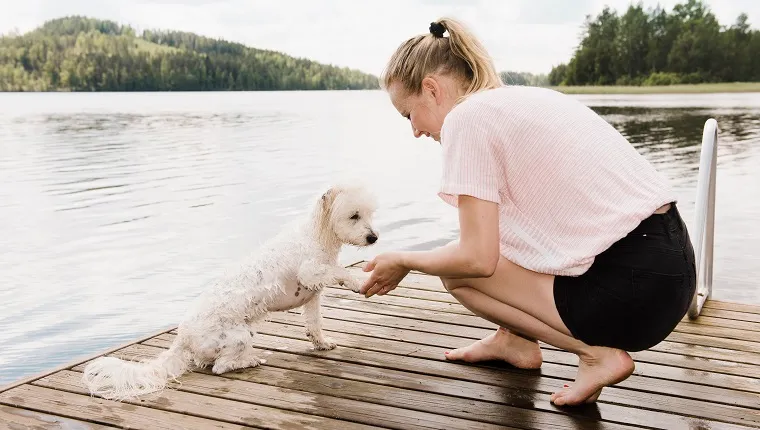
Use the same cue for the same command, every time.
If you use "come" one week, "come here" the next, and "come here, buddy" the following, you'll confuse your dog. If your dog is allowed to pull on the leash sometimes but is jerked by the collar when they pull at other times, you'll confuse them.
Make sure everyone who's around your dog follows the same rules and uses the same cues.
Also, don't expect that once your dog has learned something, they've learned it for life. Your dog can lose their new skills without regular practice.
-
Use Praise & Rewards
(Picture Credit: Catherine Falls Commercial/Getty Images)
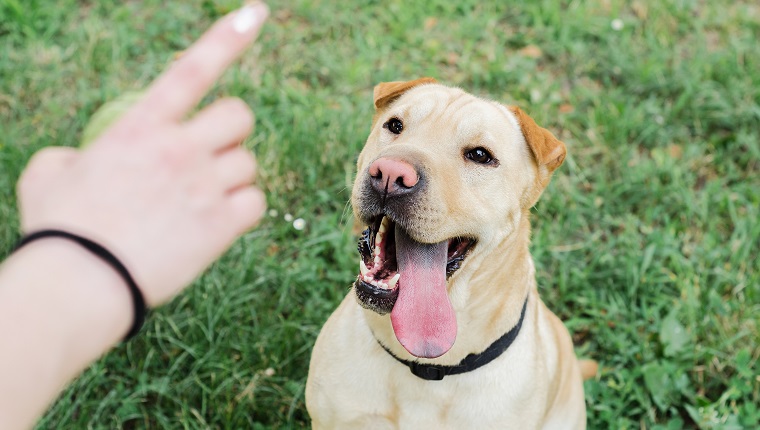
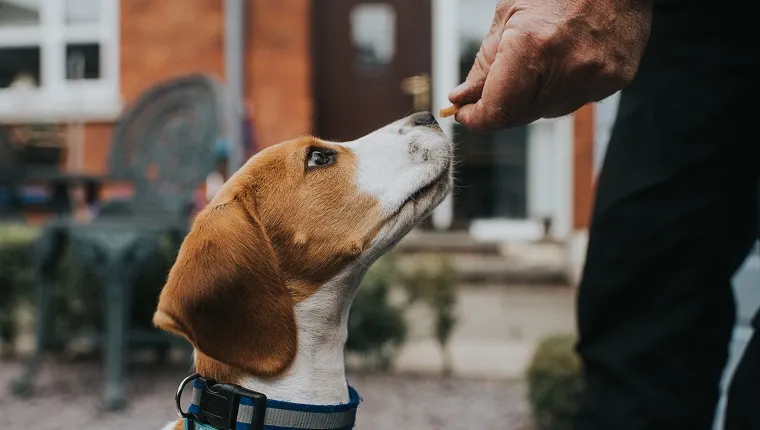
Almost all modern dog trainers believe that dogs learn better and faster when we praise and reward them for getting it right, rather than punishing them for getting it wrong.
The best motivator is usually a combination of a small food treat, especially if you train before mealtime, and enthusiastic praise.
Don't worry that you'll wind up with a dog who'll only work for food. Once your dog gets the idea of what you're asking them to do, you'll begin rewarding them sporadically, and eventually you can phase out the treats entirely.
If your dog isn't that interested in food, try offering praise without the treat, or a favorite toy, or a physical reward such as a good behind-the-ears scratch or tummy rub.
-
Time The Rewards Right
(Picture Credit: Kinga Krzeminska/Getty Images)
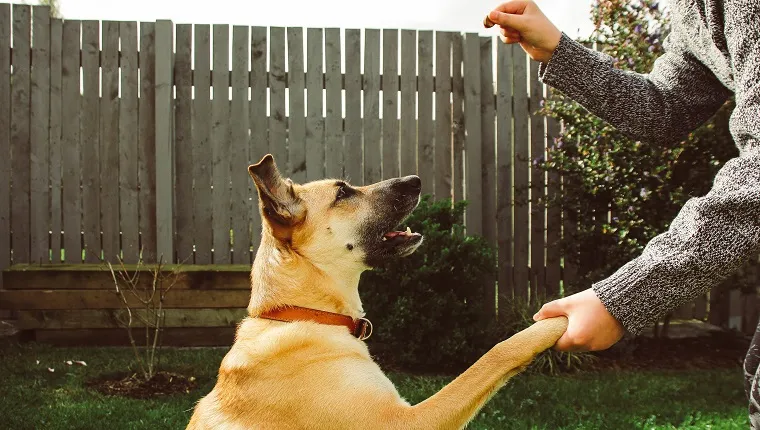
The praise and reward need to come immediately after your dog does what you want if they're going to make the connection. For example, you want your dog to think, "Hey, whenever I pee outside, I get a treat. I'm going to do this more often!"
Clicker training -- training your dog with a device that makes a "click" sound -- relies on this philosophy. You make the click noise as soon as your dog performs a desired behavior, and follow it with a reward. That way, your dog learns exactly what behavior earns them a treat.
-
Keep Training Short & Sweet
(Picture Credit: Dougal Waters/Getty Images)
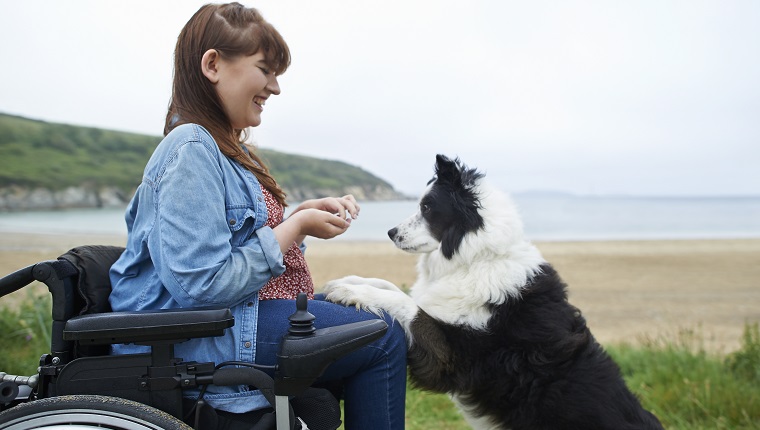
Training works best if it's fun and you stop before either of you gets bored or frustrated.
Keep the mood upbeat, not drill-sergeant serious, and make the sessions short. Five to ten minutes is plenty to start with, or you can do many mini-training sessions throughout the day, especially if you have a puppy. Like kids, they have shorter attention spans.
-
Make It Easy For Your Dog To Get It Right
(Picture Credit: Thanasis Zovoilis/Getty Images)
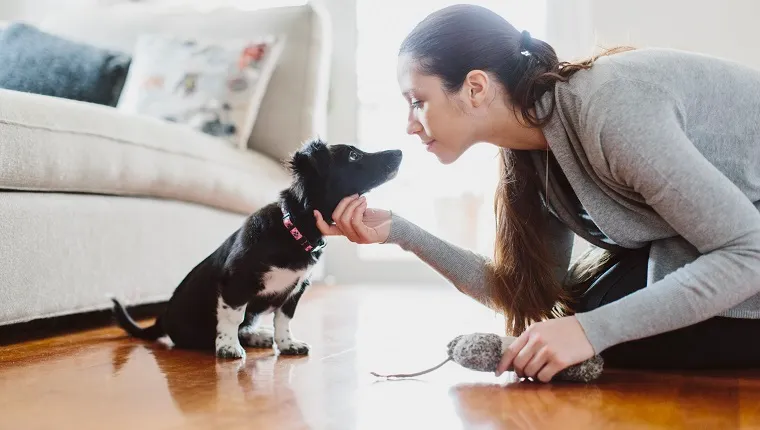
When you let a dog who hasn't pooped all day have free, unsupervised run of the house, you're asking for a mistake that can turn into a bad habit.
When you start practicing the "come" command in a dog park, where there are a million distractions, you're also asking for a mistake that can turn into a bad habit.
Train slowly, starting in a quiet, familiar place with no distractions, and gradually make it more challenging for your dog. Don't progress to the next step until your dog has mastered the current one.
-
Keep Your Cool
(Picture Credit: Hispanolistic/Getty Images)
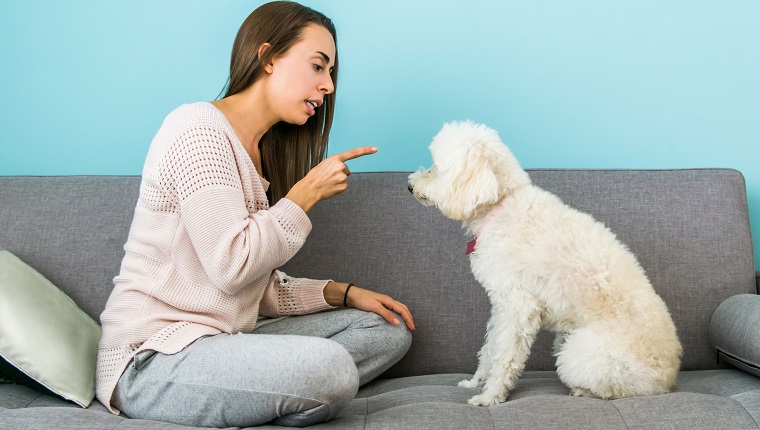
Yelling, hitting, and jerking your dog around by a leash won't teach them how to sit on request, pee outside, or do anything else you want them to learn. It will teach them that you're scary and unpredictable.
Fair, calm, consistent training is the best way to get your dog to obey and respect you.
-
Go To School
(Picture Credit: Highwaystarz-Photography/Getty Images)
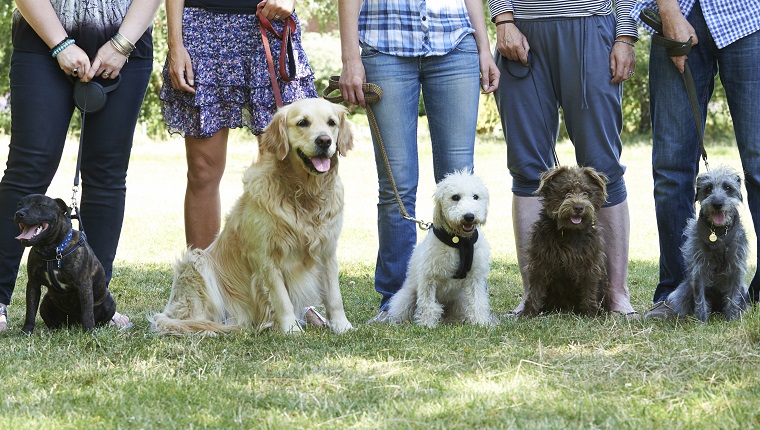
In-person guidance from an expert trainer is the best way to get a well-trained dog.
Obedience classes are relatively cheap, they're a great way to learn how to train, and they get your pooch used to being around lots of other dogs and people -- good for all dogs, but especially important for raising safe, friendly puppies.
If going to classes or hiring a a dog trainer isn't in your budget, check out our Dog Training page that's full of articles with helpful advice from experts and fellow pet parents.
Some dog lovers have also found success through dog training videos on YouTube; however, you must approach these with caution because anyone can post a video, and it may not contain accurate or helpful info.
-
Tailor Your Training To Your Dog
(Picture Credit: LittleCityLifestylePhotography/Getty Images)
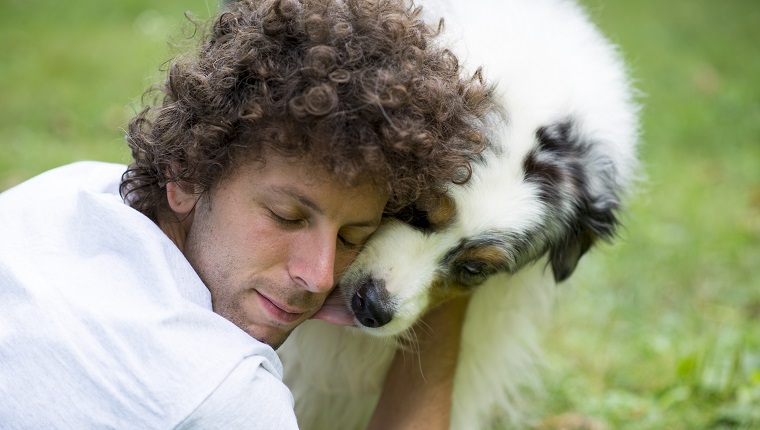
Every dog is different and will respond better to slightly different training styles.
Some dogs are so sensitive that a sharp tone of voice or even animated praise can rattle them; they need calm, quiet guidance. Others are thicker-skinned and need lots of repetition to learn all the rules.
And some smart pups will try to feel out what, exactly, your rules mean: Is it only in this house that I can't sleep on the couch, or in all houses?
There are also those dogs who occasionally push back when you push them, rather than give in to what you're asking for.
Your dog's behavior, not breed, is the best indicator of their personality. Remember that although different dogs thrive on different training approaches, they all need a benevolent leader.
Yelling, hitting, and other techniques that inflict pain or fear are never the solution for any dog. In fact, they can create a behavior problem or make an existing problem worse.
Discover more from DogTime
Subscribe to get the latest posts sent to your email.