Regulating your dog’s weight is important. Recent studies show that 30 to 40 percent of pets in the United States are overweight and 25 percent tip the scales into obesity.
Obesity, one of the most common dog afflictions in the United States, puts pets at greater risk for cardiovascular disease, joint and skeletal problems, respiratory problems, diabetes, and some cancers. An extra pound or two can make a big difference on your dog’s small frame. Although ideal weight varies from breed to breed, you must strike a healthy balance between diet and exercise to keep your pup in good shape.
Is your dog gaining weight?
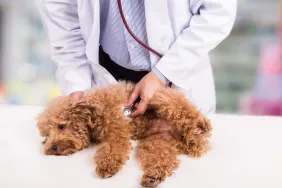
Look at your dog. Can you identify a waistline or a more slender area between the ribs and hindquarters? Feel your dog’s ribs. They should not be prominent, but can you feel them easily when applying gentle pressure? If you answered “yes” to these questions, your dog is probably not overweight. The best authority for advising you of your dog’s ideal weight is your veterinarian.
How can I control my dog’s weight?
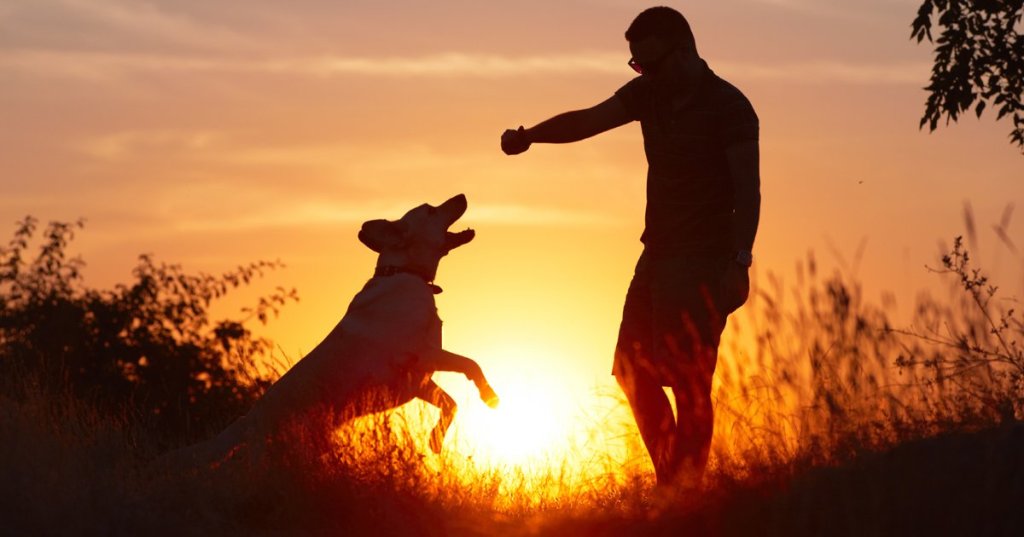
Dogs respond to the same weight control methods that humans do–controlling caloric intake and getting the proper amount of exercise. Ask your veterinarian to help you develop a diet and exercise program to keep your dog healthy and fit.
If your dog is overweight, switching to dry food may help him lose weight as it tends to be less calorie-dense than canned food. Cutting back on the amount of food and on the frequency of treats also helps your dog control his weight.
The best diet for dogs is low in fat and high in fiber. Puppies under 12 months of age need extra protein, calcium, and iron to accommodate growth. Your veterinarian may prescribe a special weight-loss formula food for your dog. Weight loss should be attained slowly. A one to two percent loss per week is best.
Treats for your dog
It’s hard to resist giving our dogs special treats but there are many low-calorie treats available. Treats should be kept to a minimum. It’s easy to lose track of the number of treats you feed your dog. Try setting aside a daily allotment that accounts for about 10 percent of your dog’s daily caloric intake and then stick to it.
Many dogs like apples, oranges, carrots, broccoli, potatoes, and green beans, but if these do not agree with your dog, ice cubes make special crunchy treats, especially on warm days.
Table scraps may contribute to your dog’s weight gain as they usually contain fat and salt and other ingredients your dog does not need. Keep these temptations out of reach of your pet. Most pet foods provide the appropriate amount of nutrients so treats should be saved for special occasions. Talk with your veterinarian about the best treats for your dog.
Source: Adapted from the American Animal Hospital Association