Collars and harnesses are made of the same materials and serve the same purpose — attaching your dog to a leash. But they work in different ways and some dogs will do better with one versus the other.
Use a collar: If your dog has no respiratory or trachea problems and doesn’t pull on leash.
Use a harness or head halter: If your dog pulls on leash or has respiratory or trachea problems.
Collars
A collar fits like a necklace, and is generally made of cloth, nylon, or leather. Nylon or cloth provide the best value and color range; leather softens with age and is the most durable. Collars usually have buckle-release or quick-release closures.
There are a few special kinds of collars:
- The head halter is designed for dogs who pull on leash. (See teaching good leash etiquette.) It looks like a muzzle but isn’t — one strap goes around the back of the dog’s head, and a separate strap goes around the snout. The leash snaps on beneath the chin. When you pull the lead, it pulls the dog’s head either down or to the side, and the dog can’t pull you.
- The chain slip, or choke chain, gets tight around the neck and chokes the dog when you pull on it. Have a trainer show you the correct way to fit and use it — it’s possible to hurt your dog with these. Or, forgo it entirely — there are nicer ways to teach good leash manners. And you should never use a choke collar on puppies; dogs without thick neck fur; dogs with a respiratory problem; or breeds with fragile windpipes, like Chihuahuas.
- Prong or pinch collars dig into the dog’s neck and pinch when pulled. Again, these are temporary training tools for heavy pullers, not meant for lifelong use. There are plenty of pain-free ways to teach your dog not to pull on leash.
Harnesses
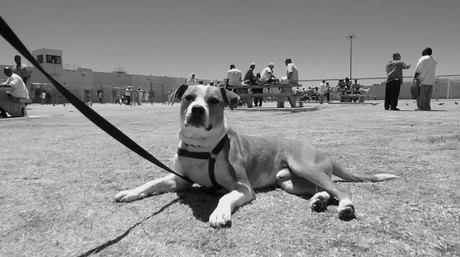
Harnesses go around the neck, in front of the shoulders, and behind the front legs. Most are made of nylon or leather, but some are made of fabric and look more like clothing.
Because harnesses don’t put pressure on the throat, they’re recommended for dogs who have an upper respiratory disease or diseases of the throat or trachea, and for dogs who pull on the leash. Pulling puts a lot of pressure on the throat and trachea, causing irritation and coughing; harnesses relieve that pressure and allow you to walk your dog safely.
Size and fit
Sizing a collar
- Width. Go by the size of your dog. A one-inch-wide collar on a Yorkie is too much, and a 3/8-inch collar on a Rottweiler is too little.
- Length. Measure the dog’s neck and add two or three inches to correctly size the collar.
- Tightness. When fitting a collar, you want to be able to slip a couple of fingers between it and the dog’s neck. A space of less than two fingers means the collar is too tight and can restrict breathing; a collar that’s too big could slip off over the dog’s head. (This will occur, without a doubt, at the most awkward or dangerous time possible, as when your Maltese protects you by launching himself at a Great Dane on a busy street.)
For growing puppies, remember to check and change sizes frequently.
Sizing a harness
Harnesses also vary in size. But fitting them is a bit complicated because harnesses, unlike collars, don’t follow one universal design. You can get ones the dog steps into, ones you slip over the dog’s head, ones that resemble a figure eight, and so on.
Unless you’re experienced with harnesses, have a trainer or store clerk help with the first fit to make sure it’s on right–you don’t want to watch your dog bolt out of it when he sights the first squirrel on the horizon.
That said, it helps to know that most harnesses are adjustable, and the most important thing to fit is the girth. Measure your dog around the chest directly behind the legs — this is the girth. Also, make sure the harness looks symmetrical on your dog; if it doesn’t, it’s not on correctly.
Safety
- Check the fit and the closure of your dog’s collar or harness at least once a year.
- Use prong or pinch collars with caution, if at all — they can harm your dog’s throat and respiratory health, and they’re definitely not meant for puppies, dogs without thick neck fur, and dogs with respiratory problems or fragile windpipes.