Super "people" foods for pets - people foods fit for your pet

by Dr. Ernie Ward

Tuesday December 22nd, 2009

  • Share on Facebook

Let's face it; most people give their pets food from the table. Contrary to what you may have heard, feeding people foods to pets isn't always a bad thing, especially if you're giving healthy options. In fact, you may be surprised at what you can safely - and nutritiously - feed your pet from the table.

1) Sweet Potatoes - one of nature's nearly perfect foods, sweet potatoes are so healthy they should be fed to your dog daily! Health benefits include 1) source of potent antioxidant to aid in healing, cancer prevention, and fighting the effects of aging; 2) Vitamins A, C and B6; 3) contains the minerals
manganese, copper, and iron; and 4) source of dietary fiber to help with loose stools. May be fed whole after baking (microwave works great and saves time!) or in the form of "wonder chips" - thinly sliced and baked in Enova, canola, or other low-fat cooking oil. Cheaper and healthier than store-bought treats.

2) Fish - oily fishes such as salmon, sardines, and anchovies are excellent sources of omega-3 fatty acids (DHA/EPA). Omega-3 fatty acids help prevent skin problems and allergies, treat arthritis and heart disease, and have been shown to improve behavior and intelligence. These fishes are tasty enough for the finickiest feline or choosiest canine. You can add fish to your pet's regular food in the form of freshly prepared, canned, or pouches. Cats and dogs do exceptionally well on a diet consisting of fish proteins. Let your pet take a taste on the wild side.

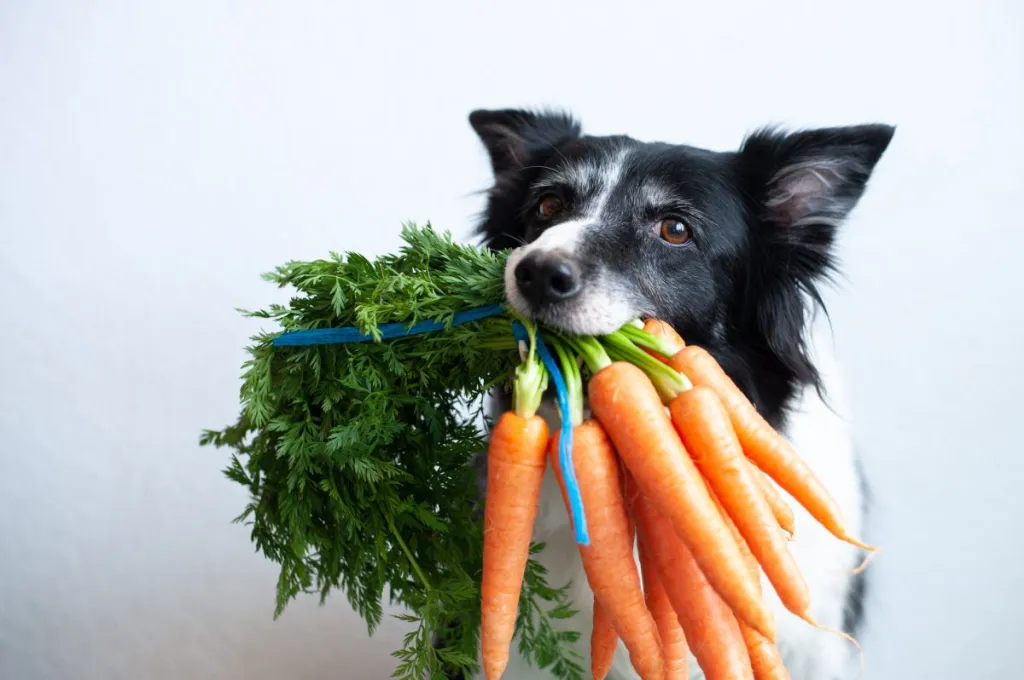
3) Carrots - One of the greatest treats for dogs also happens to be loaded with powerful phytonutrients. Packed with Vitamins A, K and C, carrots pack a powerful antioxidant punch. Additionally, carrots help a dog's vision, heart, and blood sugar levels. Raw baby carrots are one of my favorite treats for dogs. In the summer, you can slice carrots and freeze them in ice cubes for an "ice surprise." Cooked carrots can be added to your dog's regular food or used as part of a healthy home-prepared meal.

4) Broccoli - leave it to the Italians to cultivate one of the world's true tasty super foods. Broccoli has been shown to have anti-cancer effects, aid in fighting infections, treat skin and heart problems and help metabolize drugs and excrete toxins. Broccoli is so helpful every dog should eat it daily. Broccoli can be fed to dogs both raw and cooked. A raw floret is a healthy treat that costs pennies yet provides incalculable benefits. I recommend combining steamed or cooked broccoli with other super foods and fish for a health infusion whenever a pet is feeling ill.

5) Kale - It's hard to beat kale in terms of maximum nutrition for minimal calories. Kale is a proven cancer-risk cutter, abundant source of fiber, calcium, Vitamin A, E and C, helps prevent heart disease and contains numerous antioxidants. Most dogs enjoy kale thinly chopped and sautéed or cooked. Don't overlook this healthy outlier. Avoid in pets with certain types of bladder stones or kidney disease.

6) Beans - Black beans, soybeans, and garbanzo beans are all super foods for dogs. Beans help provide natural fibers that help regulate blood sugar levels, one of the leading causes of insulin-resistance and diabetes in dogs. In addition, these rich sources of proteins and minerals boost your pet's immune system and help burn fat.

7) Quinoa - once known as "the gold of the Incas," this ancient grain is being rediscovered today due to its amazing healing properties. One of the few vegetables sources of complete proteins, quinoa is also associated with preventing heart disease and cancer, as a potent antioxidant and reducing the risk of diabetes. Quinoa is easy to fix; all it needs is to be boiled for about 15 minutes. I use quinoa in a variety of recipes for dogs, combining it with fish and meat plus two to three vegetables in quick and easy home-prepared meals.

8) Kelp - most Americans don't think of feeding their dog kelp, despite its use for hundreds of years in Asia. Kelp became popular in England in the 1820s when Scottish Highlanders began kelping, yet failed to make it in the U.S. until this century. Kelp is truly a miracle plant because of its many therapeutic properties. It should be an essential ingredient in home-cooked diets because it is an excellent source of minerals such as calcium, phosphorous, iodine, selenium and iron. Kelp helps strengthen the immune system, reduce arthritis pain, control appetite and aid in weight loss and fight infections. Kelp (not California kelp) is often found in a powdered form that can be sprinkled over a dog's normal food or added to a home-prepared meal.

Related Content on DogTime.com
  • Arthritis and the aging dog

    May 30th, 2009

    The signs of arthritis may be hard to spot. You might notice it takes Fido a little longer to get up in the morning and she seems to have a harder time moving around. Soon you realize that she's in...

  • Choosing the right dog treats

    April 27th, 2009

    Treats are a great way to show your dog a little extra love. These special yummies can be anything from homemade biscuits to a package from a doggy bakery, or even just a morsel of steak from your...

  • Your dog can have allergies, too

    May 31st, 2009

    Do you find yourself sneezing at a particular time of year? Does a particular material cause you to have a reaction when it comes in contact with your skin? Did you know that your dog can suffer from...

Anonymous User

I have a beagle that is almost 20 yrs. old. we were having problems with her stomach staying upset all the time. I began making my own dogfood and now they are doing great... Ground turkey, liver,mixed vegetables and rice. I now feed all my dogs this. Even the new puppies. they all do so good on it. No chemicals for my babies.

about 2 years ago by Anonymous

Anonymous User

Brocccli is in the cruciferous category as a gas producing vegetable that should be avoided for dogs or fed in small amounts to avoid painful gas. Carrots are good for them but when fed raw should be shredded on a microplaner to make it easier to digest. Whole pieces are not easily digested. This is evidenced in your dog's stool as you will see the pieces of carrot in it. Soybeans - ahhh, no. Many dogs are alergic to wheat and soy, more so than people think. If you have a dog that bites a their legs or paws a lot then check your pet food. You may find that there is wheat, corn and/or soy and this is most likely causing the scratching and biting from causing itchy skin. Want to know more? Read th book: Food Pets Die For by Anne Martin. It is an expose on the pet food industry revealing the horrors that are legally allowed in commercial pet foods. She also gives a list of pet foods she has researched and found to be okay. Be warned, that list is quite small! Why and how did processed pet food come about? Once processed foods started becoming popular, breakfast cereal in particular, there was all this stuff left over like corn husks and hulls, the shafts left from wheat, etc. What to do with all this leftover by product stuff? Someone had the brilliant idea to make it into food for dogs/cats. The horrid slaughterhouse floor sweepings, roadkill and euthanized cats/dogs/horses/etc. were added in little later. Just a reminder here: why are our pets euthanized? Usually because they are ill with incurable diseases. Is this the protein source you want to feed your pet???? - K., 1/2/10

about 2 years ago by Anonymous

Anonymous User

One of my dogs LOVE carrots, apples, pears, tomatoes and more. I have done quite a bit of research of what is good/nontoxic and what's not good/toxic for them. (Carrots are hard for dogs to digest so not a lot of carrots. Tomatoes MUST be ripe. No stems, leaves or unripened green tomatoes.) Regarding the suggestions on this page: *I've read that broccoli can be toxic in large quantities. I am not sure if 'eat it daily' would be considered a large quantity? Or maybe the information I have is incorrect? *I also thought 'salmon and trout frequently have a parasite that cooking does not kill. It is fine for humans but can harm dogs.'. (?) *Seems obvious but if you do feed you dog fish -it should NEVER be raw. Raw fish can cause Salmonella poisoning. *Regarding quinoa -'grains should not be given in large amounts or make up a large part of a dog’s diet, but rice is generally safe in small amounts.' For me, I guess, I'd like to see some guidelines when feeding my dogs these listed items.

about 2 years ago by Anonymous

Recent conversations on these topics

  • Senior dog is losing weight

    My 13 year old shepard mix is losing weight. Its really become apparent the past few days. Of course I will be bringing him to the veterinarian, but I am wondering what suggestions people have for stimulating appetite and weight gain in an older dog. As a puppy he had serious digestive problems and needed to avoid the usual culprits (corn, wheat, soy). He has been eating Canidae All Life Stages supplemented with small amounts of healthy people food almost all his life. He is a self feeder and has always maintained a healthy weight. He has taken a very low dose of phenobarb for seizures the past 5 years and Rimadyl for arthritis the past 6 months. I really like Canidae (another dog of mine lived to 17.5 years so obviously the food is good). I also have a 1 1/2 year old lab mix at home and what I feed one is likely what I will feed the other. I am considering cooking food for my old guy, giving him more of our food, or adding canned Solid Gold (the canned Canidae seems to upset his tummy---not sure why). Suggestions?

  • dogs LOVE these healthy dog treats!

    Thanks for sharing, Jean! That does look like a good and healthy recipe for tasty treats. I'll be sure to try it for my dog. Thanks again!

  • Help

    I feed my dogs home made food, but I occasionaly give them kibble. I used to feed Merrick dog food, but they revised their products and they now contain more fish. Lady cannot eat fish because it makes her sick. Most of the healthful brands seem to contain fish. Does anyone know of a good dog food that has little or no fish?

  • Picky eater

    I am having trouble getting Cooper to eat. It is not that he is sick, he just hates what I feed him. The only food he will readily eat is meat, but he sometimes does not even like that. I cook for my dogs, and I have never seen a dog besides him turn his nose up to a good homecooked meal. How do I get him to love food?

Welcome to DogTime.com

DOGTIME LOGIN or SIGN UP

AD
AD