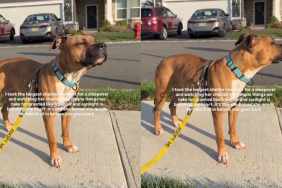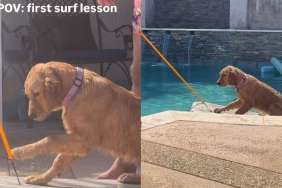
It is never too late to teach an old dog new tricks! If you adopt an adult or a senior dog, their ability to concentrate and learn new things will amaze you. We’re going to examine the reasons why adult dogs often are more receptive to training than younger pups. Then, we’ll review training basics. Finally, we’ll offer up some tips for maintaining the training progress you make.
Why adult dogs are easier to train
Adult dogs are often even easier to train than puppies. This is because they have the ability to focus for a longer period of time. Most adapt fairly quickly to new routines. That means housetraining is not difficult if you are consistent. Take your dog out to the same place every time to go potty. An adult dog has more control and normally does not have to go outside as often as a puppy.
Training basics
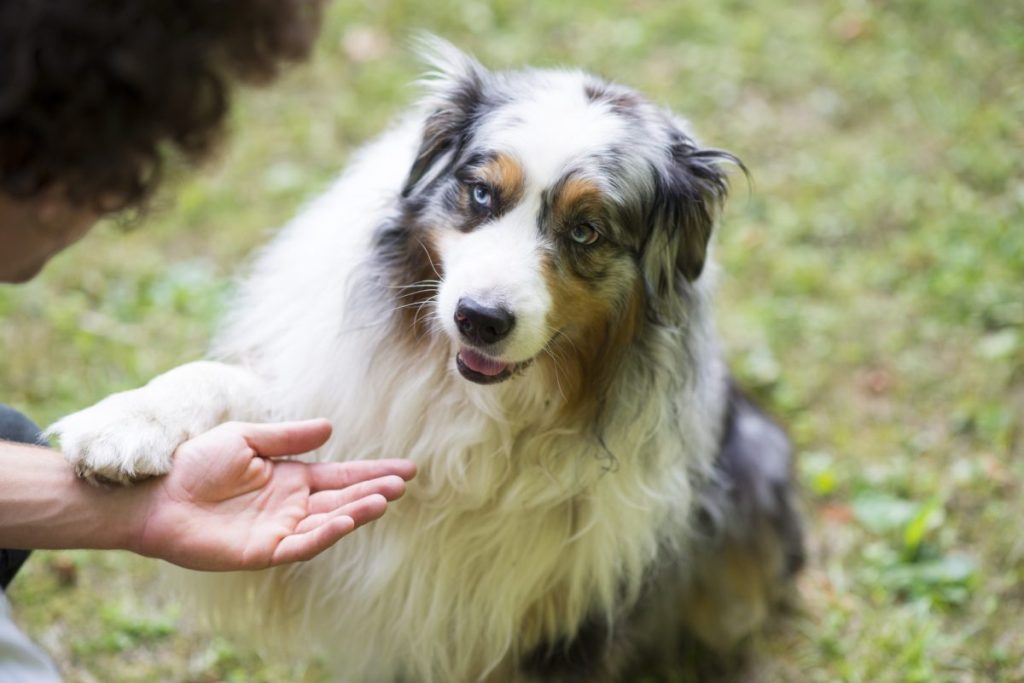
You can teach regular training commands such as sit, down, and come using small treats to lure the dog into the proper position. Be sure to give quick praise before you give the treat, so the dog will eventually work for praise alone.
Occasionally a dog is not motivated by treats. In that case, you can gently place the dog into position, then praise them. Repeat several times until the dog understands what you expect. It takes three to four weeks of repetition for something to become a habit, so be sure to include several short training sessions every day for about a month whenever you are teaching a new behavior.
Preventing behavioral problems
To prevent behavior problems such as destructive chewing and digging, make sure your dog gets sufficient exercise and has appropriate chew toys. Having a large yard with a fence is wonderful, but does not ensure that a dog is getting their ya-yas out. Long walks or playing fetch until the dog is truly tired will help ensure a well-behaved dog in the evening when the family is trying to relax.
Maintaining progress
Be sure to consistently reward your dog when they are doing good things. Additionally, manage the environment to prevent your dog from doing inappropriate things. Should you have any problems, don’t hesitate to call your veterinarian to ask for help.
Most dog behavior problems are easily resolved once the dog has settled into their new home and understands what you expect of them. Occasionally, a problem may arise due to a medical issue or lack of socialization in the dog’s early years. Your vet can rule out any physical cause. They can also refer you to an experienced trainer or behaviorist if you need additional help.